


November 2025 CarbonBetter® Impact Update


Every month we share the positive impact our customers have made through their use of CarbonBetter-certified 100% energy, which is included in every Provision clean energy supply plan. Each customer on these plans receives an email with their personal impact for the month, and this blog post reflects the impact all of our customers have made together since we became CarbonBetter-certified in October 2020.
We’re honored to be able to provide affordable clean energy that makes a real difference. Check out all of our past Impact Updates here!
Our Customers’ CarbonBetter Impact – November 2025 Update
217.5k
mWh
Provision customers have funded 217,520 mWh of clean energy generation, which could power 23,389 homes for a year.*
145.8k
tons
Provision customers have offset 145,752 tons of carbon, which is like avoiding over 336 million miles of driving.**
161.2k
trees
Provision customers have funded planting 161,140 trees, which may sequester 2,659 tons of carbon in their lifetime.***
Want to be included in our next impact update?
It’s easy to contribute to the positive impact we make each month. All Provision energy plans include CarbonBetter clean energy, which helps you make a difference automatically when you use energy at home.
Our customers help fund clean energy generation through renewable energy certificates, offset carbon through carbon credits, and plant trees to aid in reforestation and increase our natural carbon-capturing capabilities. It’s never too late to start using your energy for good.
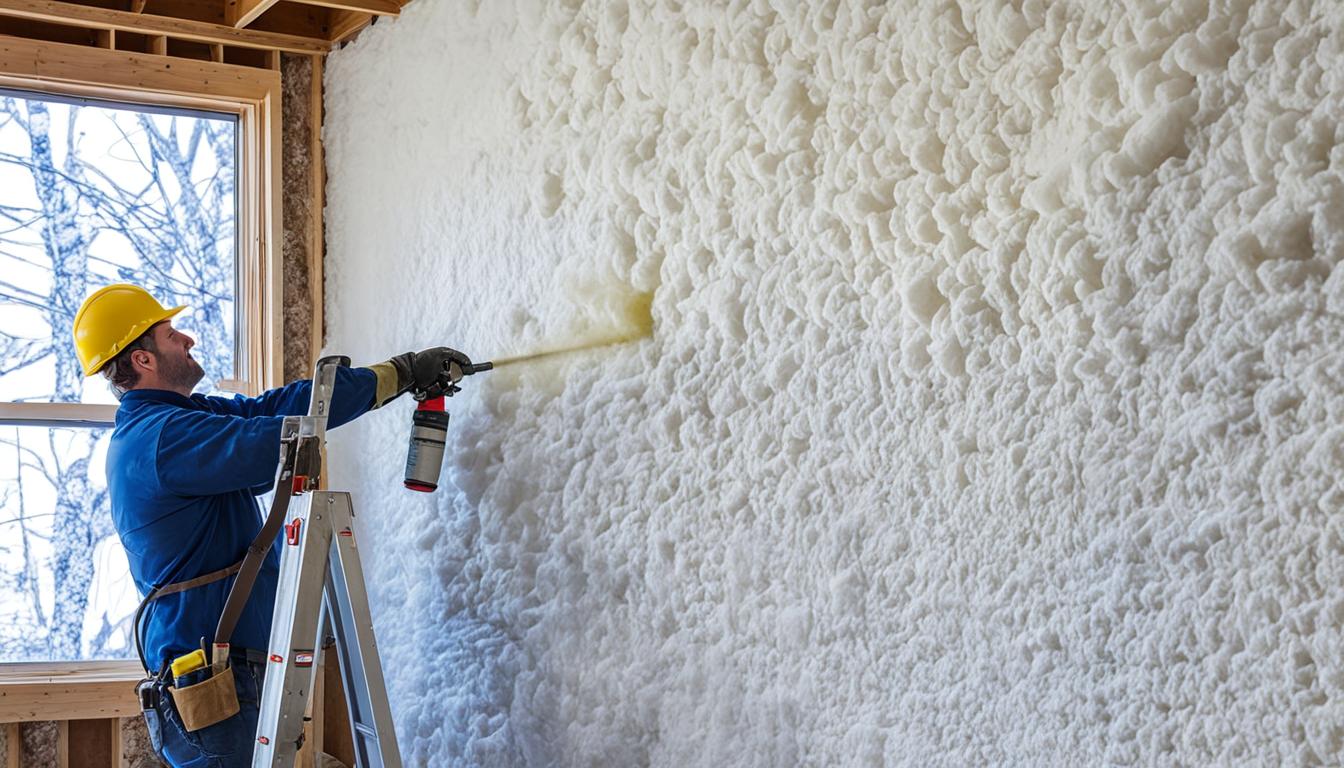
October 2025 Featured Project: Spray Foam Omega 2023 (ACR-976)
About the Project
This kind of project falls under ACR methodologies that aim to reduce greenhouse gas emissions associated with foam insulation production by switching from high-global-warming-potential (GWP) blowing agents to low-GWP alternatives (e.g., “Omega” blowing agents). These high-GWP agents are potent climate forcers, so reducing their use yields measurable climate benefits.
How the Project Works
Baseline Establishment
The project first defines the “baseline scenario” that is, the emissions that would have occurred without the project.
Typically, this is continued use of conventional high-GWP blowing agents in foam manufacturing.
Emissions from these agents are calculated using standardized parameters (mass used × GWP values × leakage rates).
Transition to Low-GWP Blowing Agents
Participating foam producers change their manufacturing processes to use low-GWP blowing agents (like HFOs or other near-zero GWP alternatives, often branded generically as “Omega”).
- This requires adjustments to equipment, formulation, and quality control.
- Training and verification ensure the transition meets performance and compliance standards.
Monitoring & Verification
Once the transition is in place, ongoing monitoring measures how much high-GWP agent usage is displaced by the low-GWP alternative.
- Data on agent purchase, usage, product output, and quality compliance are collected.
- Independent third-party verifiers assess these records to quantify actual emissions reductions
Emission Reductions Quantified
Using the registry’s methodology, the avoided emissions, that is, the difference between baseline emissions and project emissions, are calculated and converted into carbon credits (often expressed as tonnes of CO₂e reduced).
Benefits of the Project
Significant GHG Reduction
High-GWP blowing agents (like certain HFCs) can have 1,000–10,000× the climate impact of CO₂ over 100 years. By shifting to low-GWP agents:
- The project avoids large amounts of future emissions.
- These avoided emissions can be certified and sold as carbon credits.
Immediate Climate Impact
Unlike energy efficiency or forestry projects that take years to show full results, agent substitution yields immediate measurable emission reductions as soon as the new formulation is adopted.
Technology Adoption
The project accelerates broader adoption of lower-impact chemical technologies in industrial insulation:
- Encourages manufacturers to invest in cleaner solutions.
- Sets a precedent for product innovation across regions or facilities.
4. Industry Incentives
Participation brings financial incentives:
- Revenue from carbon credit sales helps offset transition costs.
- Demonstrates corporate climate leadership to customers and regulators.
5. Co-Benefits
- Potential improvements in product performance or energy efficiency.
- Better alignment with environmental regulations and sustainability commitments.
Conclusion
Spray Foam Omega 2023 (ACR-976) is a carbon project designed to trigger meaningful climate action within the insulation and spray foam manufacturing sector. By reducing reliance on high-GWP foam blowing agents and replacing them with low-GWP alternatives, the project delivers:
Measurable and verifiable greenhouse gas emissions reductions; Immediate climate benefits upon implementation; Economic incentives for early adopters; and Support for wider industrial decarbonization.
Carbon credits generated through this project create a market mechanism that rewards companies for shifting to cleaner practices, helping align private sector action with broader climate goals.
Switch to Provision and make a positive impact on the planet through your energy consumption!
Every Provision Customer Makes a Difference
About CarbonBetter Impact Calculations:
*The typical home in your area uses 9,300 kWh of electricity per year.
**https://www.epa.gov/energy/greenhouse-gases-equivalencies-calculator-calculations-and-references#gasoline
***https://www.epa.gov/energy/greenhouse-gases-equivalencies-calculator-calculations-and-references#seedlings
Impact is calculated based on our customers’ billings in the impact month, but planting, funding, and offsetting may not happen in that month. These activities must align with planting seasons and project life cycles to be effective. If you have any questions, please contact us at hello@getprovision.com.